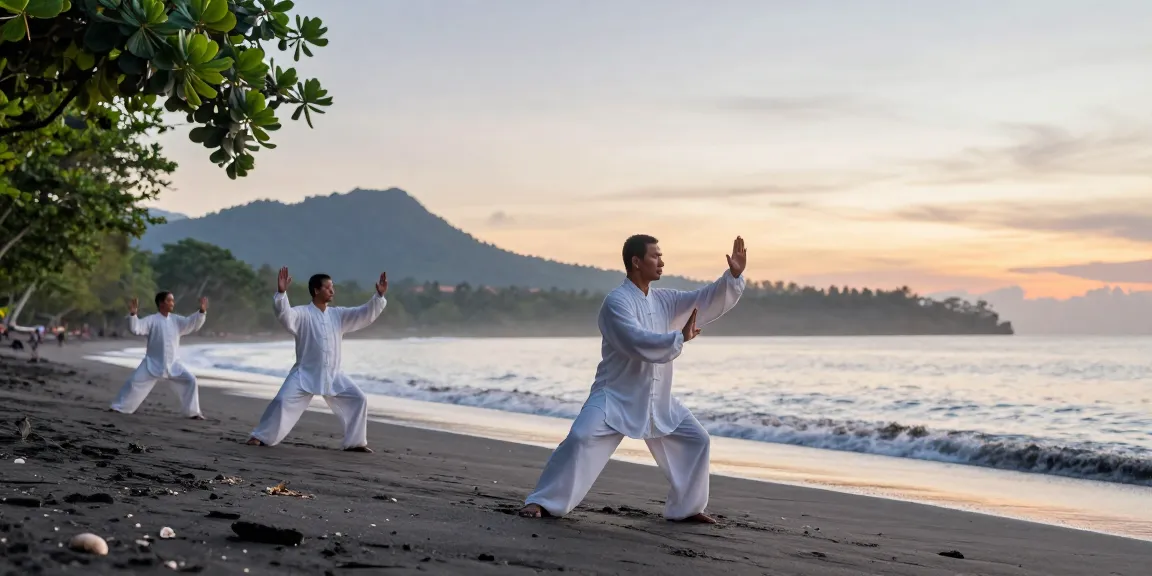
Understanding the Benefits of Tai Chi Classes in Bali
Practicing Tai Chi in the serene surroundings of Bali offers a unique way to enhance your overall well-being. With its gentle movements and focus on breath, Tai Chi provides a holistic approach to fitness that nurtures both the body and mind. As the world becomes increasingly fast-paced, more individuals are seeking out Tai Chi classes Bali to find peace and balance. This blend of physical activity, meditation, and spiritual growth has made it an attractive option for both tourists and locals alike. When exploring options, Tai Chi classes Bali provides comprehensive insights into available programs.
Physical Health Improvements from Tai Chi
Tai Chi is often referred to as "meditation in motion" and is celebrated for its numerous health benefits. Regular practice can lead to significant physical improvements, enhancing flexibility, strength, and balance. Research indicates that Tai Chi is particularly beneficial for older adults, reducing the risk of falls through improved stability and coordination.
- Flexibility: The slow and deliberate movements of Tai Chi promote greater flexibility in muscles and joints.
- Strength: Engaging various muscle groups helps build strength without the strain often associated with traditional workouts.
- Balance: Practicing Tai Chi encourages better balance through coordination and concentration.
Mental Wellness and Stress Reduction
In addition to its physical benefits, Tai Chi is profoundly effective in reducing stress and enhancing mental well-being. The meditative nature of the practice encourages mindfulness, allowing participants to cultivate a greater connection between body and mind. Studies show that those who practice Tai Chi regularly report lower levels of anxiety and an increased sense of calmness and relaxation.
- Meditation: Each movement is coordinated with breath, promoting a meditative state that helps clear the mind.
- Stress Relief: The gentle movements and deep breathing create a tranquil environment that reduces stress hormones in the body.
Spiritual Growth through Movement
Beyond physical and mental health, Tai Chi offers a path for spiritual growth. The practice emphasizes harmony and flow, encouraging participants to connect with their inner selves while appreciating the natural beauty surrounding them in Bali. As practitioners become more attuned to their surroundings and their spirit, they often experience heightened self-awareness and a deeper understanding of their purpose in life.
Choosing the Right Tai Chi Class in Bali
When considering Tai Chi classes Bali, it is crucial to choose a program that aligns with your goals and experience level. The variety of classes available can cater to different preferences, whether you're looking for a relaxing session or a more intensive training program.
Finding Qualified Instructors
The quality of instruction can significantly impact your Tai Chi journey. Look for instructors who have extensive experience and credentials in Tai Chi and related disciplines. It is often helpful to read reviews or ask for recommendations from previous students. A qualified instructor will not only demonstrate the movements effectively but can also offer personalized guidance to meet your specific needs.
Comparing Class Formats: Private vs Group
When selecting a class format, consider whether you prefer private lessons or a group setting. Private classes offer personalized attention and can be tailored to your individual pace and learning style, which can be particularly beneficial for beginners. In contrast, group classes foster a sense of community and shared experience, allowing you to engage with others who share similar interests.
Location and Environment Considerations
The environment in which you practice Tai Chi can enhance your experience significantly. Bali offers numerous beautiful locations, from beachside settings to tranquil gardens, that can complement the peaceful nature of Tai Chi. When choosing a class, consider its location and whether the setting aligns with your personal preferences.
What to Expect from Your First Tai Chi Class
Attending your first Tai Chi class may bring a mix of excitement and nervousness. Understanding what to expect can help alleviate these feelings and make your experience more enjoyable.
Typical Class Structure and Flow
Most Tai Chi classes begin with a brief warm-up to prepare the body for movement. This might include gentle stretching and breathing exercises. The instructor will then guide you through a series of movements focused on balance, coordination, and flow. Classes often conclude with a cool-down that reinforces the meditative aspects of the practice.
Common Techniques and Movements to Learn
As a beginner, you will likely start with foundational movements that establish proper form and technique. Some common techniques include the "Cloud Hands" and "Grasp the Bird's Tail," both of which emphasize smooth transitions and flowing movements. Mastering these basics lays the groundwork for more advanced practices.
Tips for Beginners: Preparing for Your Session
To make the most of your first class, wear comfortable clothing and flexible shoes. Arriving a few minutes early can help you settle in and get acquainted with the instructor and the environment. Be open to learning and remember that everyone progresses at their own pace; the key is to enjoy the process.
Advanced Tai Chi Practices and Retreats in Bali
For those who wish to deepen their practice, Bali offers various advanced Tai Chi classes and retreats focusing on mastery and skill refinement. These programs often include extended hours of practice and the opportunity to learn from master instructors.
Exploring Tai Chi Retreat Options
Tai Chi retreats in Bali are immersive experiences designed to enhance your practice. Typically lasting several days, these retreats often include daily classes, meditation sessions, and opportunities for personal reflection amidst Bali's stunning landscapes. Participants can enjoy a more profound understanding of Tai Chi philosophy and its application to daily life.
Incorporating Qigong for Enhanced Benefits
Many Tai Chi retreats and advanced classes also incorporate Qigong, another ancient Chinese practice that focuses on cultivating life energy. Combining Tai Chi and Qigong can significantly enhance your overall experience by promoting relaxation, vitality, and emotional balance.
Understanding Progression and Mastery
Progressing in Tai Chi requires patience and dedication. As you advance, you will learn more complex forms and begin to explore the deeper philosophical aspects of the practice. Regular practice and participation in workshops or instructor-led sessions can foster a greater understanding of the subtleties of Tai Chi.
Future Trends in Tai Chi and Wellness Practices
The wellness industry is continually evolving, and Tai Chi is no exception. As we move into 2026, several trends are emerging within the practice.
Emerging Styles and Techniques in 2026
Innovative adaptations of traditional Tai Chi styles are becoming popular, integrating elements from other disciplines such as yoga and Pilates. This fusion allows practitioners to experience the benefits of Tai Chi along with diverse physical fitness elements.
Balancing Tradition with Modern Wellness Needs
In today’s fast-paced world, there is a growing emphasis on mental health and self-care. Tai Chi, with its focus on mindfulness and relaxation, is increasingly recognized as a powerful tool for enhancing overall wellness. More centers are offering Tai Chi as part of comprehensive wellness programs that include nutrition, mental health support, and lifestyle coaching.
Community and Global Influence on Tai Chi
The global appreciation for Tai Chi is on the rise, with communities forming around the world to promote its benefits. International workshops and collaborations among instructors are helping to spread Tai Chi's philosophy, making it more accessible to individuals seeking holistic health practices.
What is the average price of a tai chi class?
The cost of Tai Chi classes in Bali can vary significantly depending on the location and format. Generally, group classes can range from $10 to $30 per session, while private lessons might cost between $45 to $100, depending on the instructor's expertise and the duration of the session.
Where can I find tai chi retreats in Bali?
Many wellness centers in Bali offer dedicated Tai Chi retreats. Websites that specialize in wellness tourism can provide comprehensive lists of available programs. Additionally, reaching out directly to local Tai Chi instructors may yield valuable recommendations for immersive retreat experiences.
Is tai chi more difficult than yoga?
The difficulty of Tai Chi versus yoga can vary widely based on the individual. While both practices promote mindfulness, Tai Chi focuses more on fluid movements and balance, whereas yoga often emphasizes static postures and flexibility. Personal preferences will often dictate which practice feels more challenging or accessible.
How much does a tai chi lesson cost?
On average, Tai Chi lessons in Bali may range from $15 for a group class to upwards of $80 for private sessions with experienced instructors. Prices can vary based on the setting, duration, and instructor qualifications, so it’s advisable to compare options before committing.